
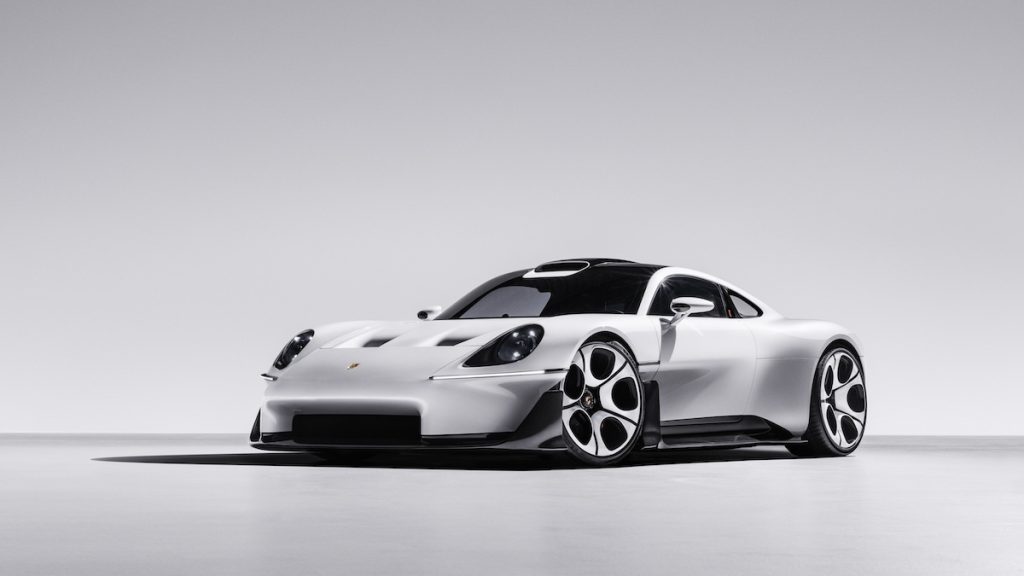
The Porsche Mission S has a five-tube instrument cluster with a real analogue needle, no fixed center screen and a phone holder that slides out of the dashboard, and that cockpit is the best reason to pay attention to it. Porsche calls it a permanent mid-engine super sports vision model above the 911.
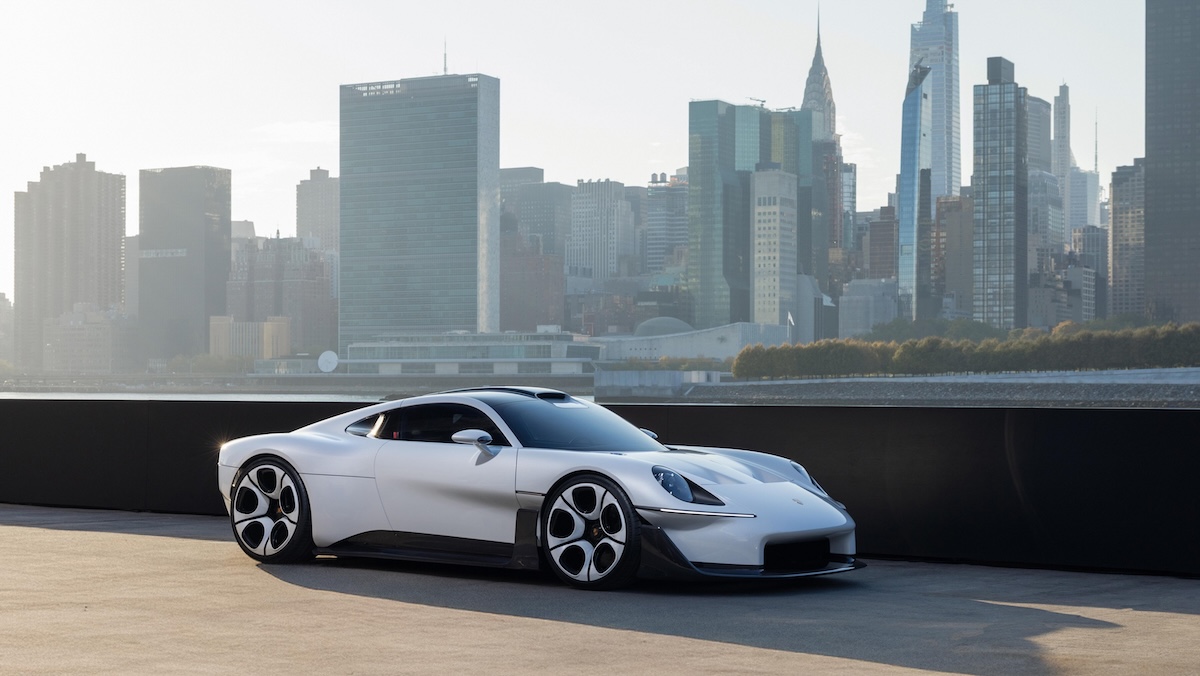
The car debuted Thursday, October 15, on a pier in Queens, New York, facing the Manhattan skyline. It is the same pier where the first pictures of the mid-engined 550 Spyder went around the world in 1953, a nod to the 718 RSK Spyder lineage that followed. Porsche picked the spot to say that its history is the brief for what comes next.
Inside the Porsche Mission S Cockpit
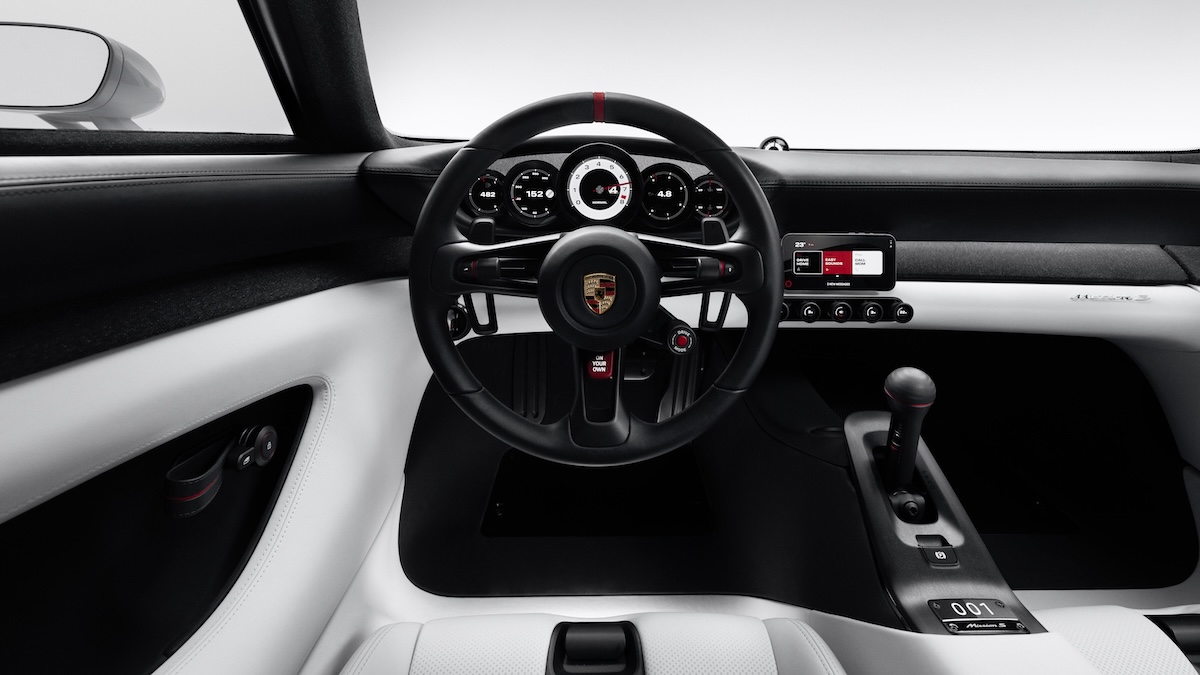
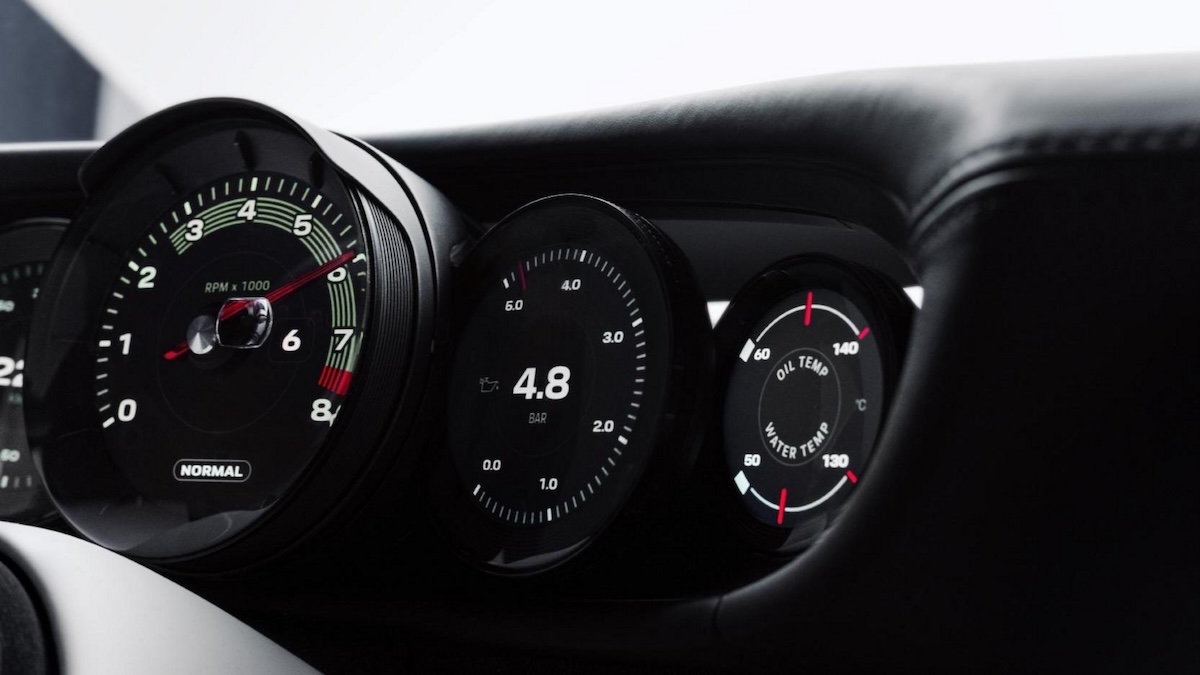
The five tubes sit behind the steering wheel with a tachometer in the center. Its analogue needle runs in front of a display, and in some drive modes the whole tachometer moves closer to the driver. The tubes also rearrange by mode, either side by side or one behind another. It is a cluster that changes shape to match the mood of the drive, and I like it.
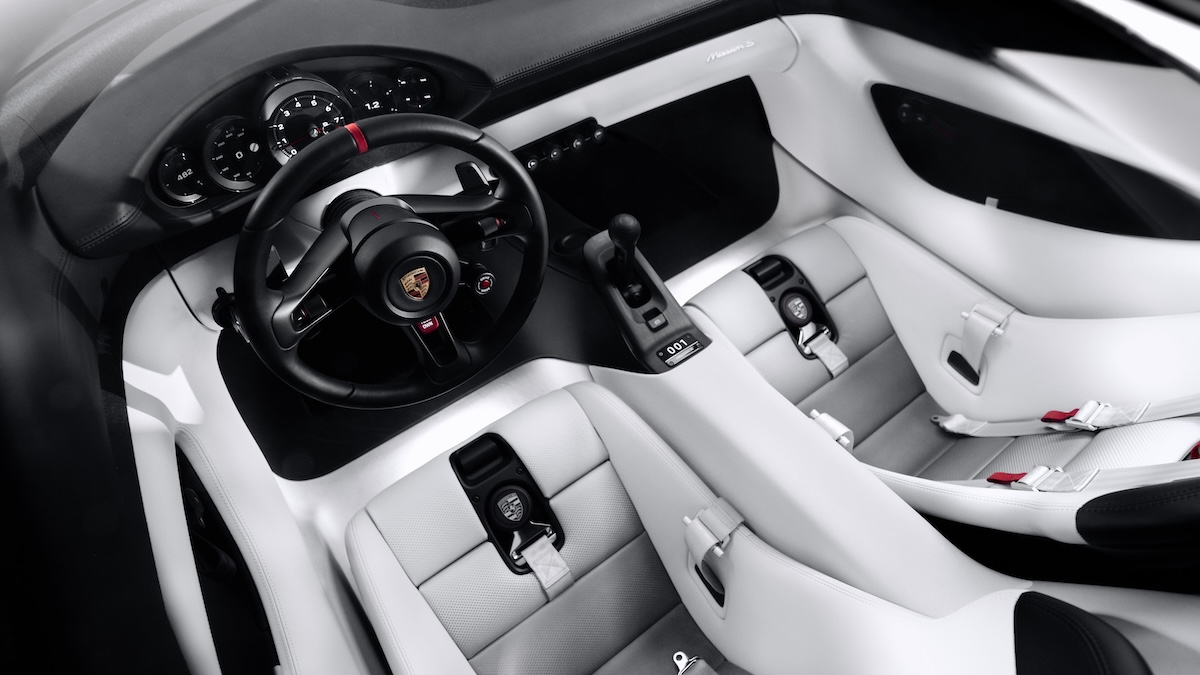
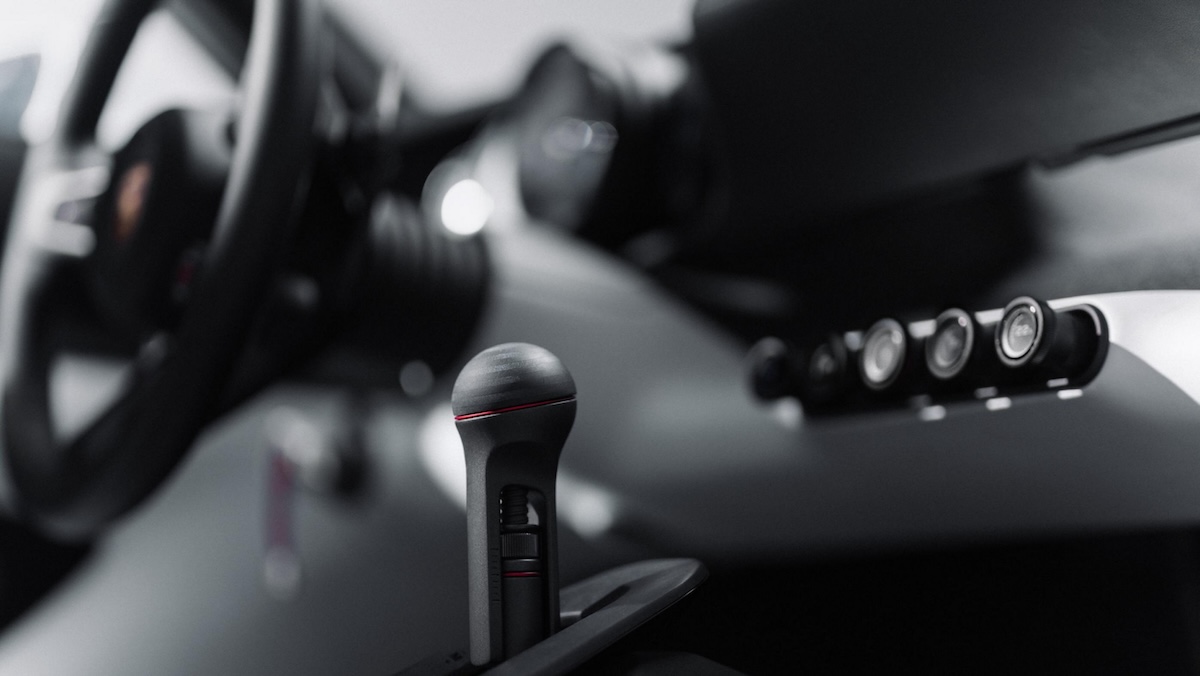
There is no permanent center display and no passenger display. Instead, a retractable phone mount works with MagSafe, so a smartphone can serve as the navigation screen when you want one. The My Porsche app lets an owner pick historically inspired designs for the round instruments. Push-pull controls in the dash handle comfort and driving functions, and the key holder stays to the left of the wheel, as it always has on a Porsche.
Two lines run through the dashboard and doors to make you feel seated deep in the car, a layout taken from the 550 Spyder and the 356. The seats get a seatbelt buckle built into the center panel and electric adjustment controls in new positions. The interior is Special Black, and it reads as a cabin where nothing is there by accident.
How the Porsche Mission S Looks
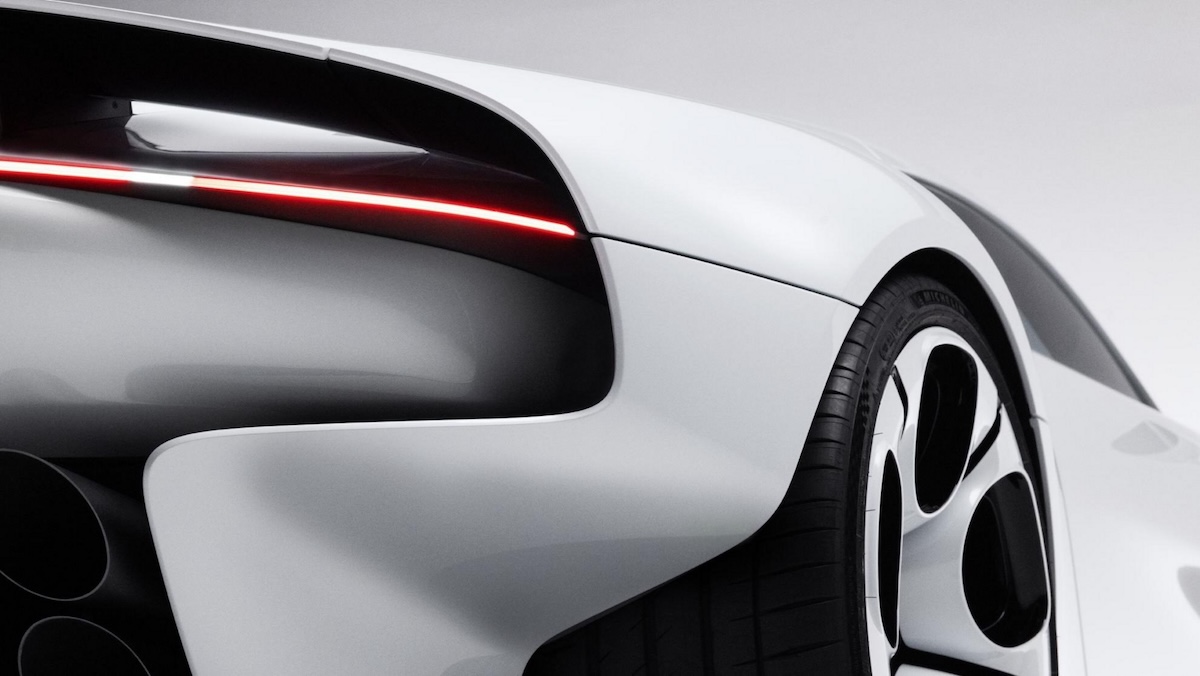
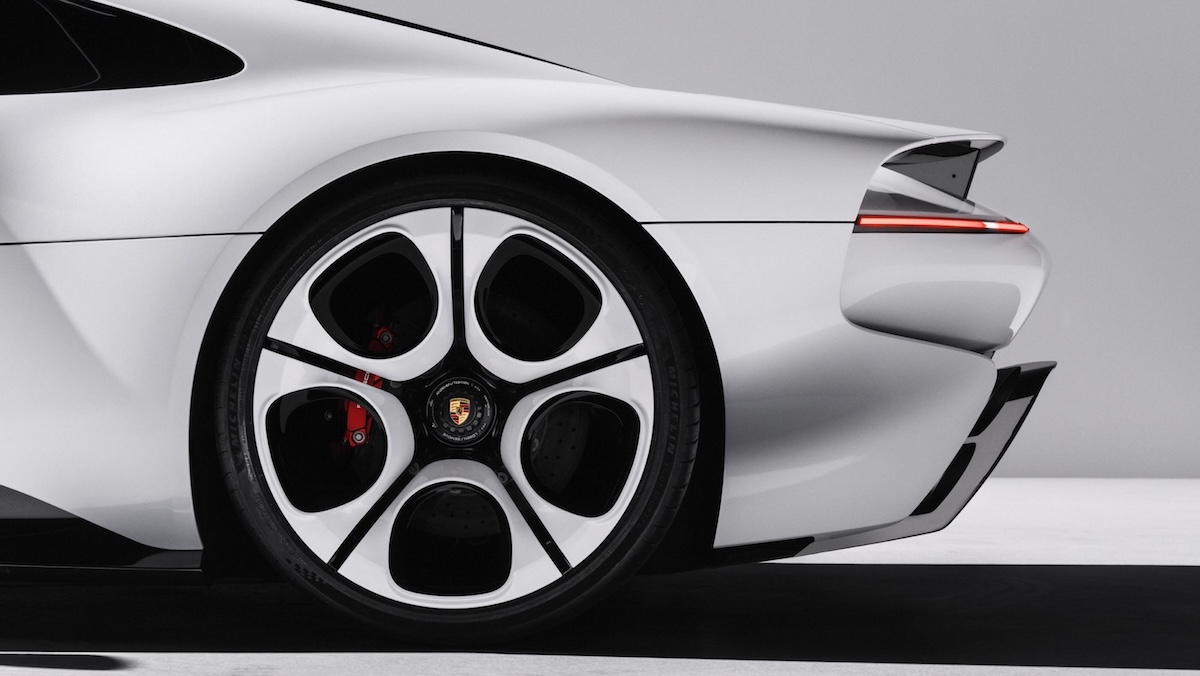
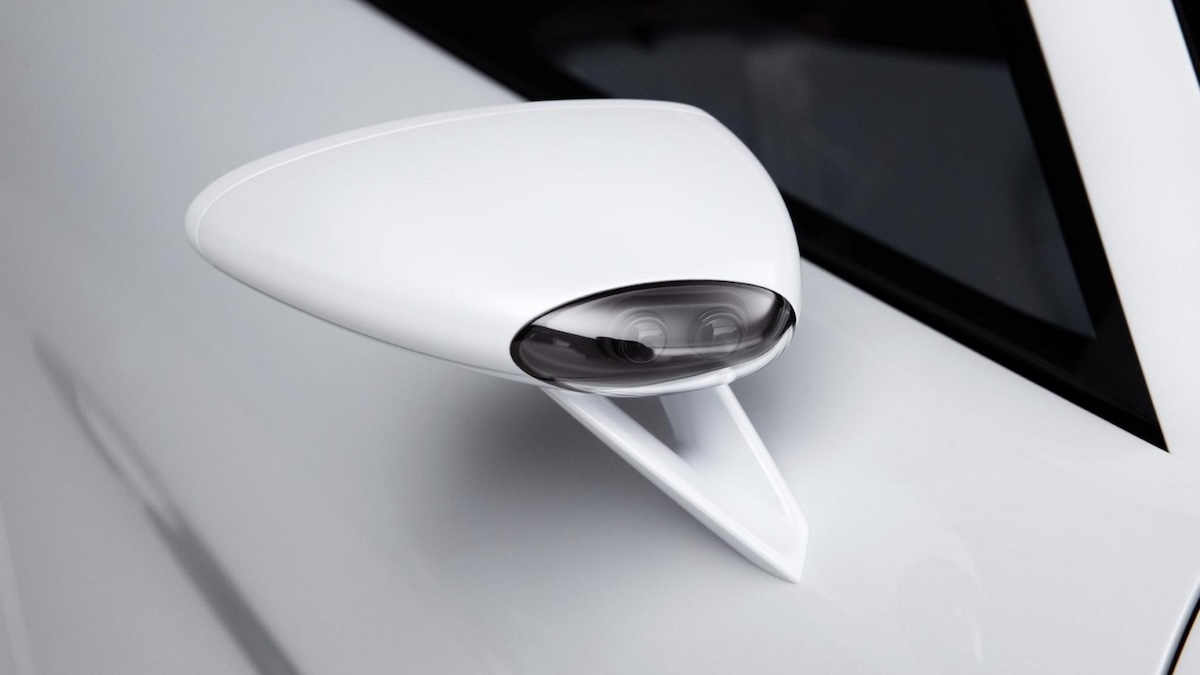
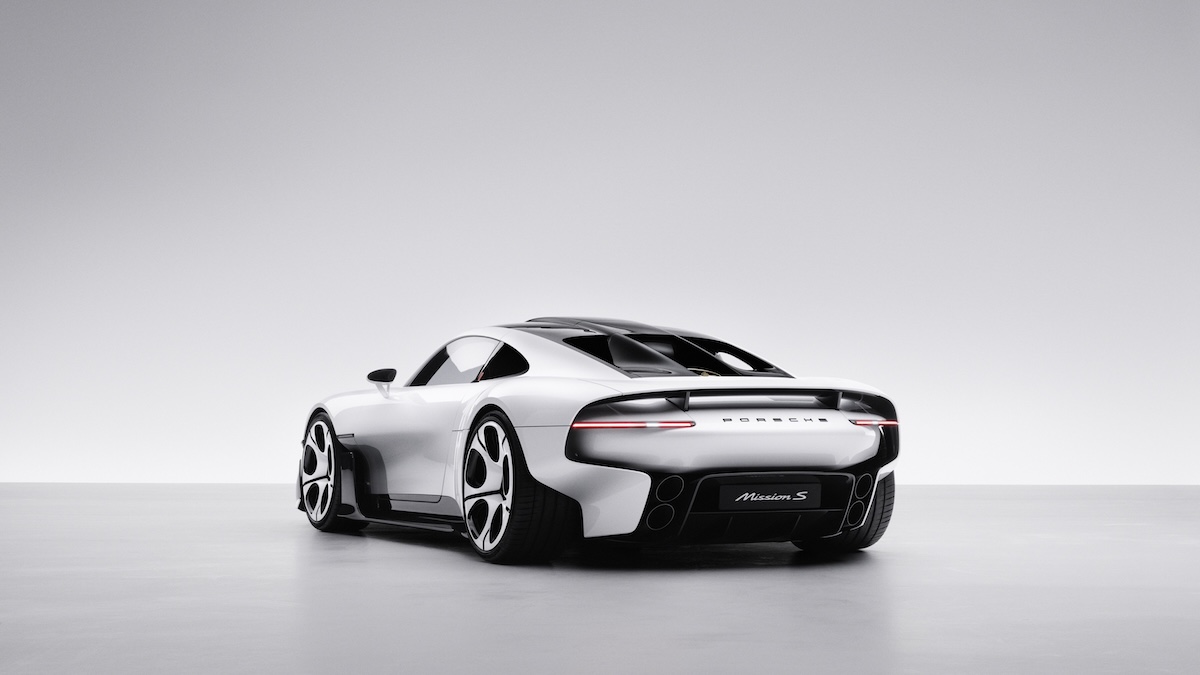
The shape runs on torpedo fenders, a long roofline and a low, wide stance that Porsche describes as floating volumes. A single line wraps the car and ties the front and rear lights together. Above it the surfaces carry the muscle, and below it the car shows its technical parts and its light construction. The engine sits in the middle, which gives the Porsche Mission S its classic mid-engine flyline.
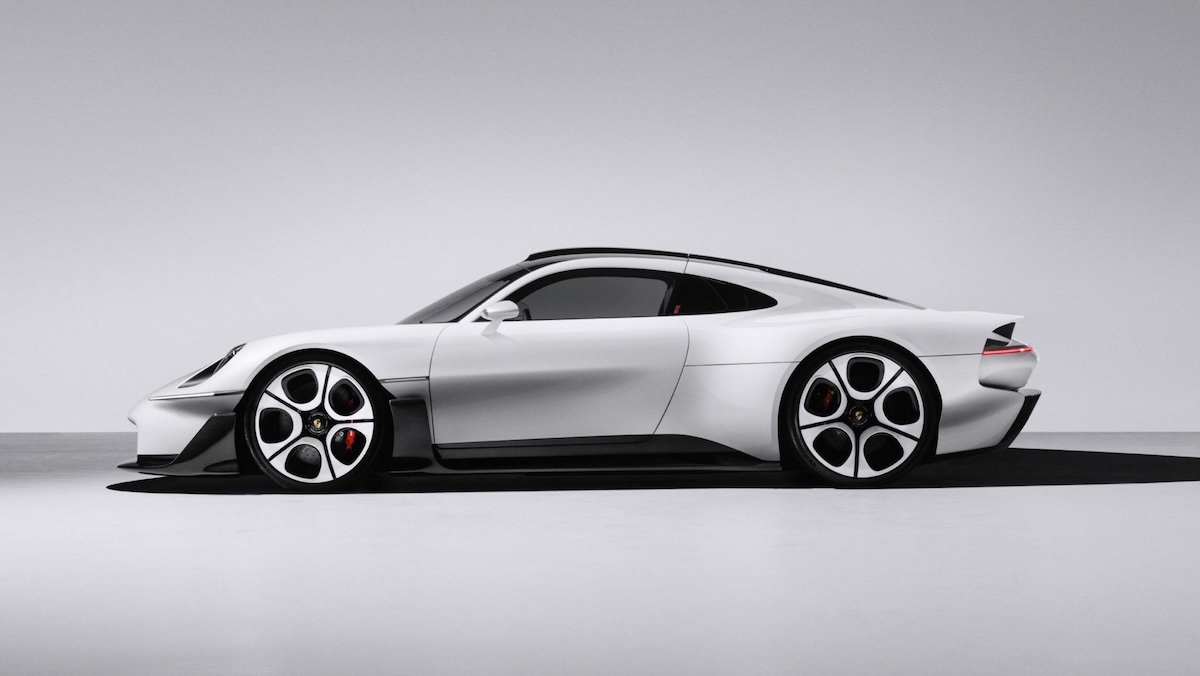
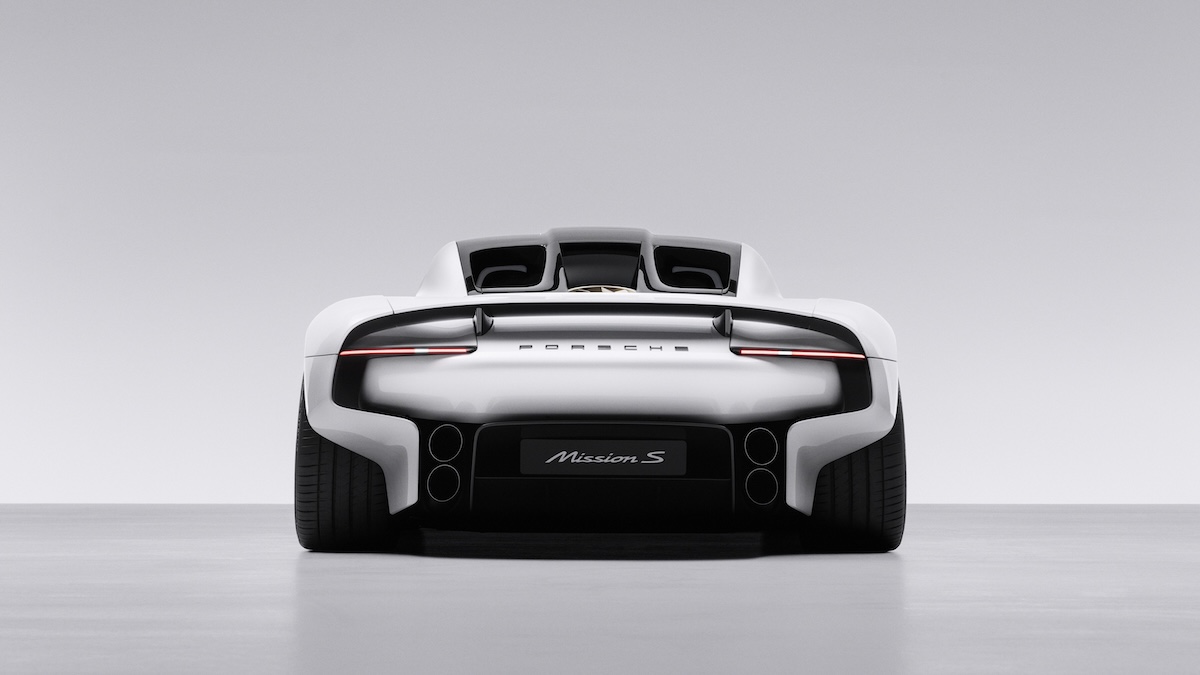
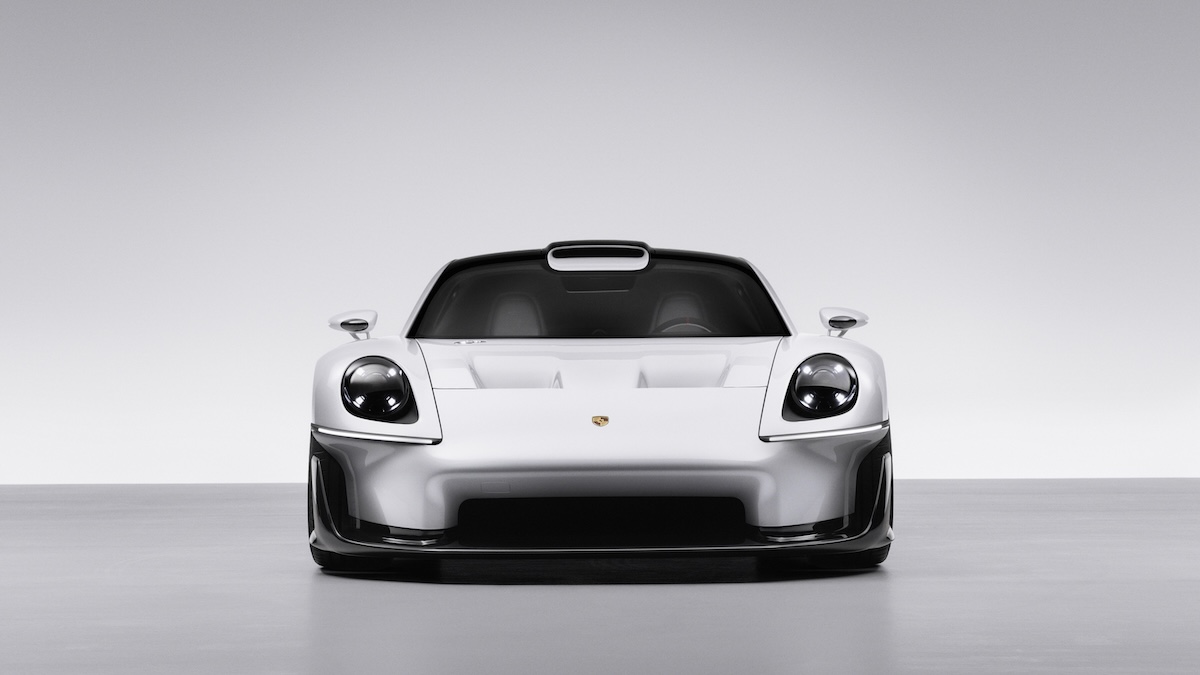
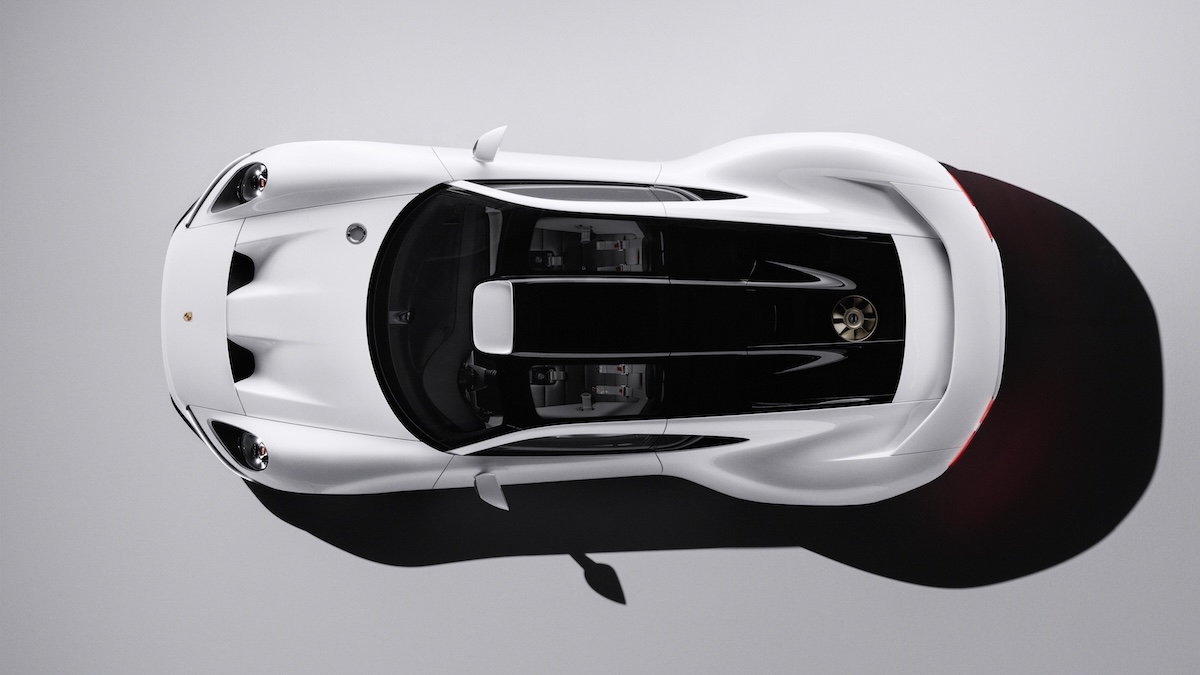
The round headlights and fenders echo the 911, the shut lines running into the lights nod to the G-model 911 of 1974 to 1989, and the flat nose comes from the 911 GT1. The roofline under the rear wing recalls the 959. The rear carries a car-in-car shape from the GT1, a cooling solution that recalls the 917’s radiator fan, and an integrated active rear wing.
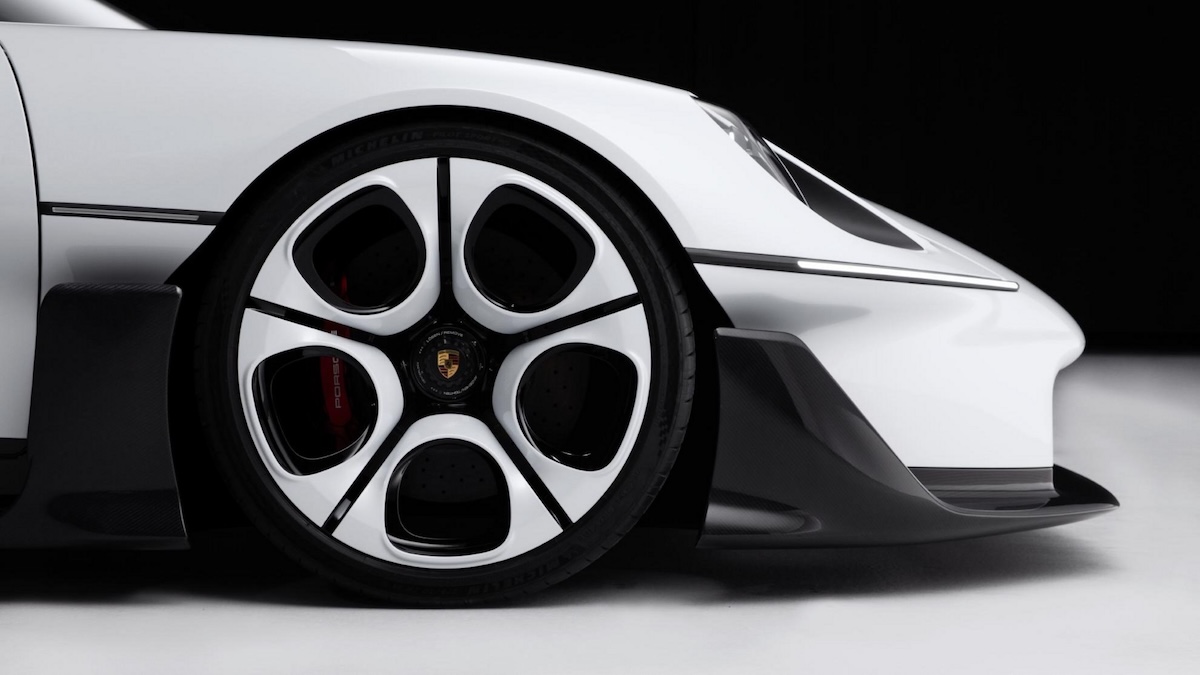
The wheels take their pattern from the 928’s dial design, redrawn for lightness. Paint comes in Firn White Metallic, Light Red Metallic and Black Chrome, reinterpreting the white, grey and red of Porsche’s racing cars. It is a lot of history on one body, and the proportions keep the Porsche Mission S from looking like a collage.
Why the Porsche Mission S Sits Above the 911
Michael Leiters, chairman of Porsche’s executive board, put the design brief in one line: “A Porsche must be recognizable as a Porsche at first glance.” The Mission S also previews a mid-engine super sports car platform that sits above the 911. Porsche says it is not a one-off hypercar but a permanent, versatile part of the lineup, a first for the brand.
That is the real news. A one-off show car is a mood, and a standing tier is a price ladder. Compare the Porsche Mission S with Cadillac’s V-ONE, a one-of-one concept built to stay a single car. Porsche is talking about a platform, which means owners and rivals can plan around it.
What Comes Next for the Porsche Mission S
Porsche has not said what powers the Porsche Mission S, how fast it is, what it costs or when a production version arrives. Those answers will decide whether the car matches the promise of the show car. The cockpit matters more than usual here, because it is the part of the design buyers will touch every time they drive.
The more interesting question is what rivals do next. Every flagship of the last decade has competed on screen area, and the Porsche Mission S enters the next round with a needle, a row of tubes and a phone holder.
If Porsche carries that cockpit onto a production car, a tier above the 911 gives it room to prove that buyers at this price will pay for less glass. Expect the first car in the tier to be judged on its cockpit as much as its speed.
About The Author

You may also like
-
The 2027 Ducati Panigale V4 S Puts Race-Shop Parts in a $35,995 Showroom Bike
-
Matchbox The Movie Puts a Triumph Scrambler 1200 XE in the Climactic Scene
-
BRABUS URBAN E Fragment Edition: 10 Exclusive Bikes
-
The Stark VARG SM Sköll Is a 500-Unit Study in Blacked-Out Restraint
-
Ducati’s New Cycling Range Brings Motorcycle DNA to Road, Gravel, and E-MTB Bikes