
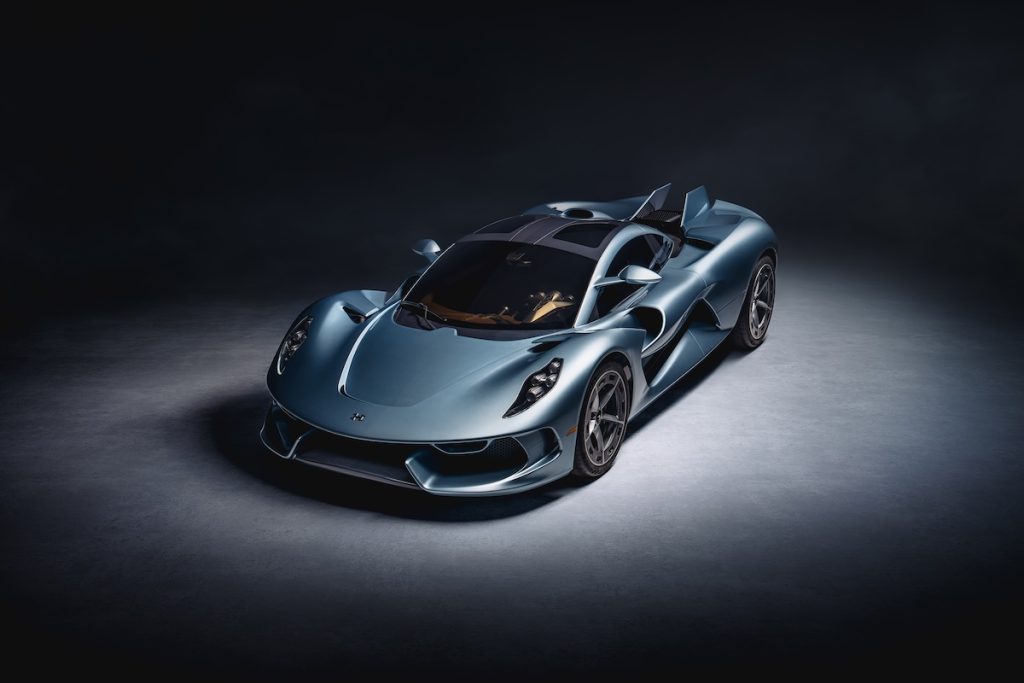
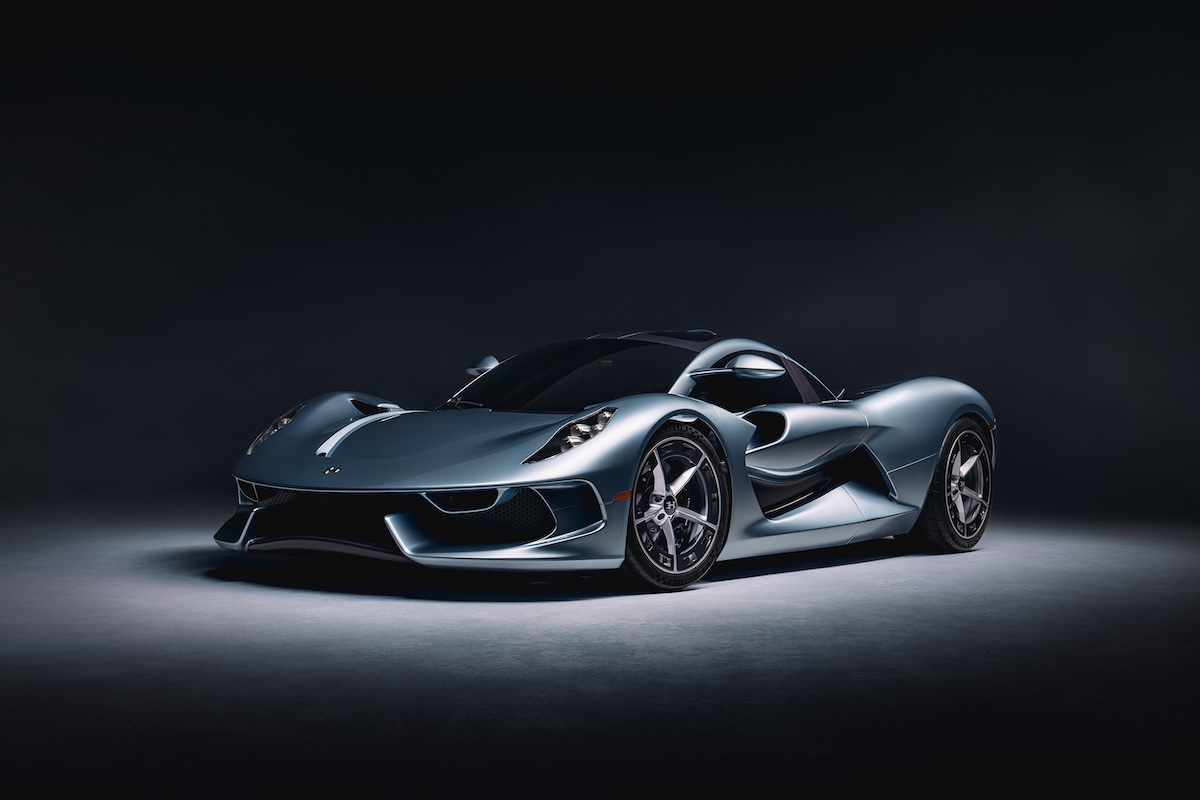
The Hennessey Blackbird arrives as the most deliberate rejection of hypercar orthodoxy the segment has seen in years — no turbochargers, no hybrid assist, no screens, and a six-speed gated manual as the only transmission on offer. At $2.5 million and limited to 71 units, it’s Hennessey’s third hypercar after Venom GT and Venom F5, but it measures itself by a different standard than either.
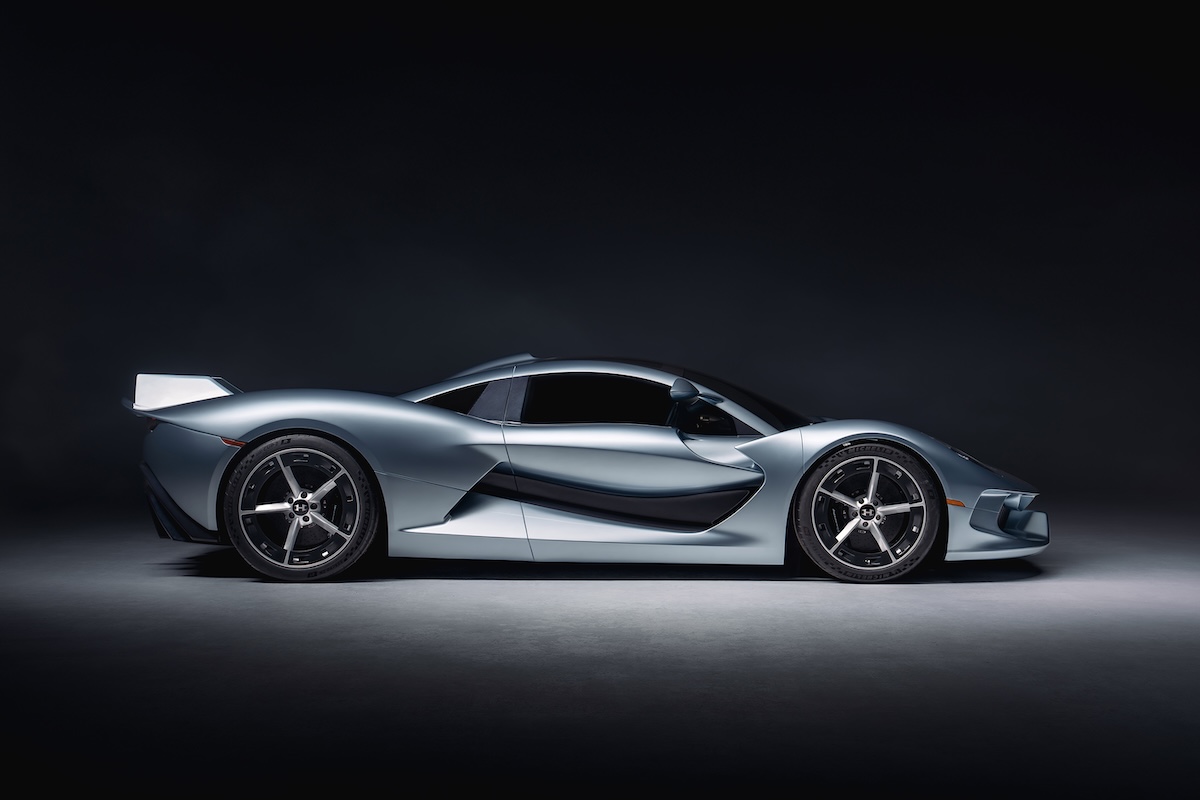
What the Hennessey Blackbird Gives Up to Gain Feel
Every choice here removes a layer between driver and machine rather than adding one. The naturally aspirated 6.2-liter V8, developed with Ilmor Engineering, is targeting 800-850 hp and more than 9,000 rpm with no turbochargers and no electric assistance — a bet that immediacy and sound matter more than the extra power a hybrid system would add. Hennessey is positioning it as the highest-revving, most powerful naturally aspirated road-car V8 on sale, which is a specific claim to defend once independent testing starts.
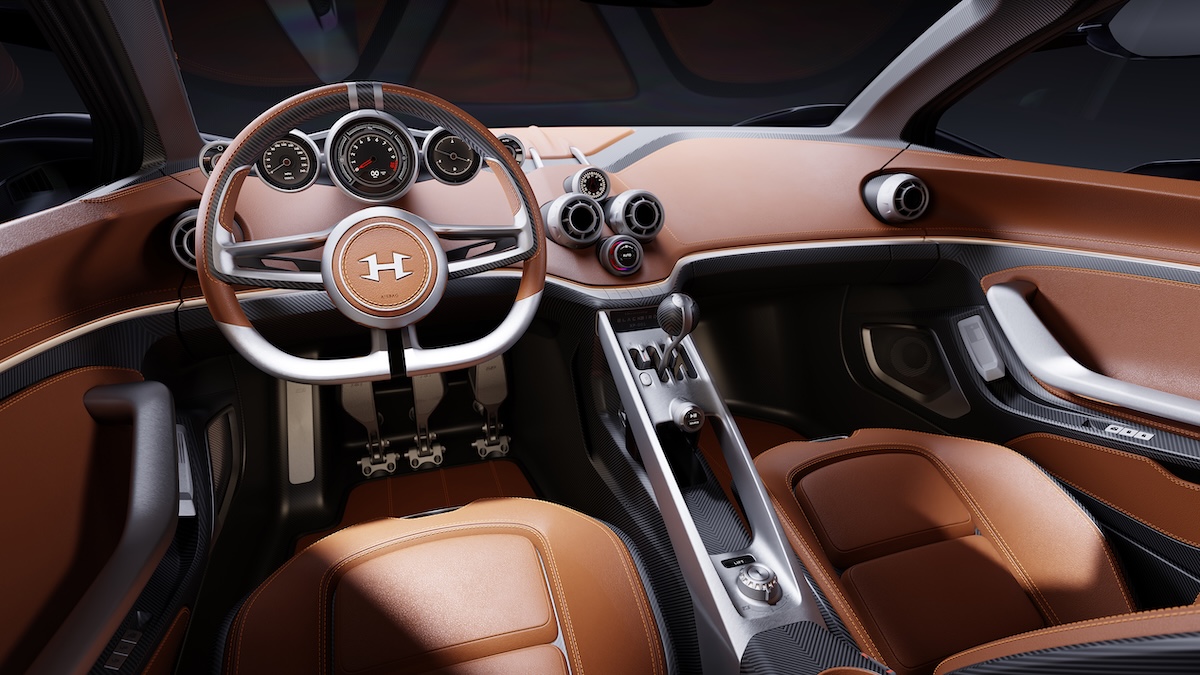
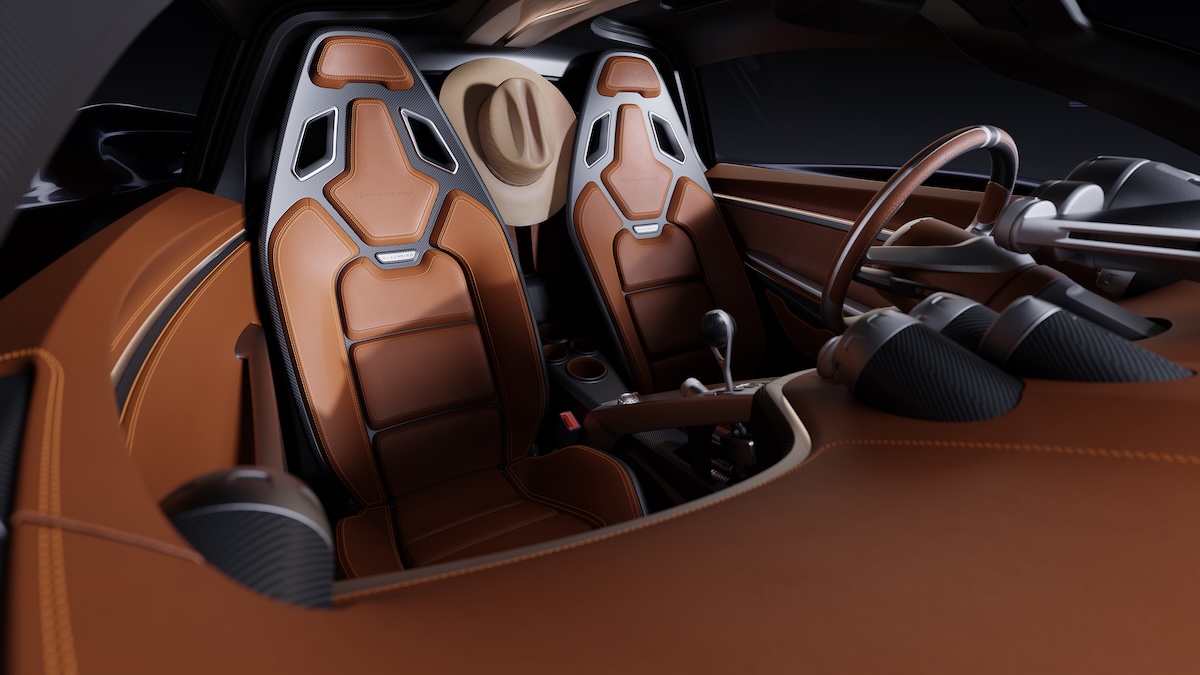
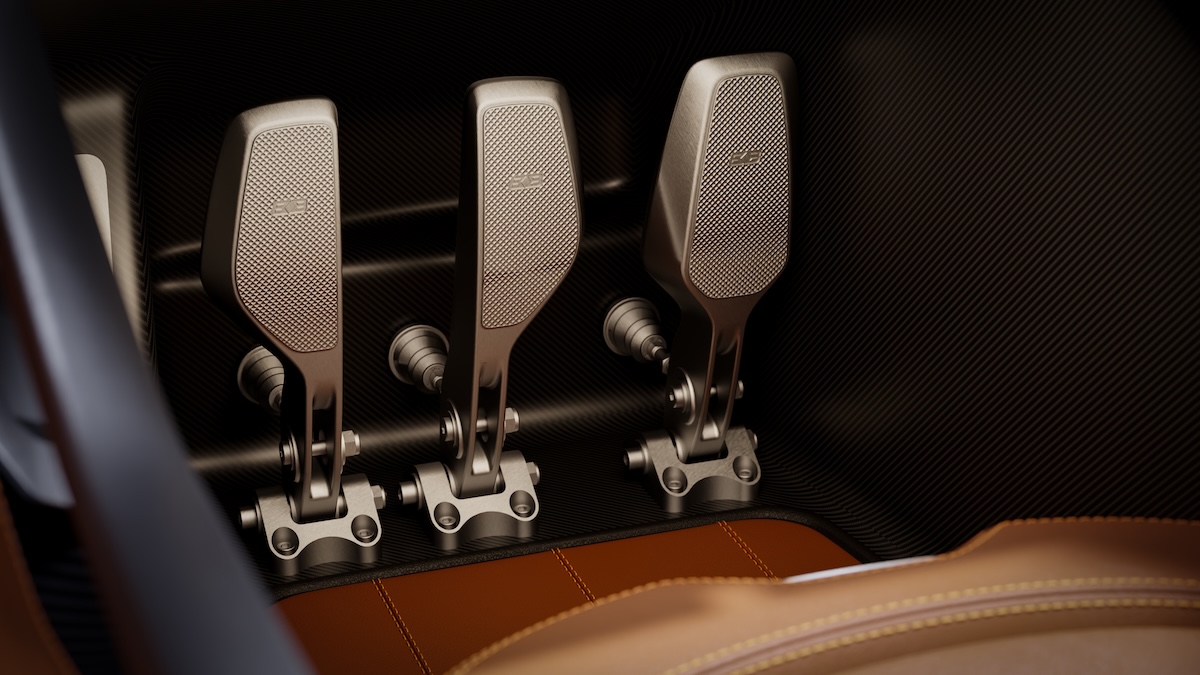
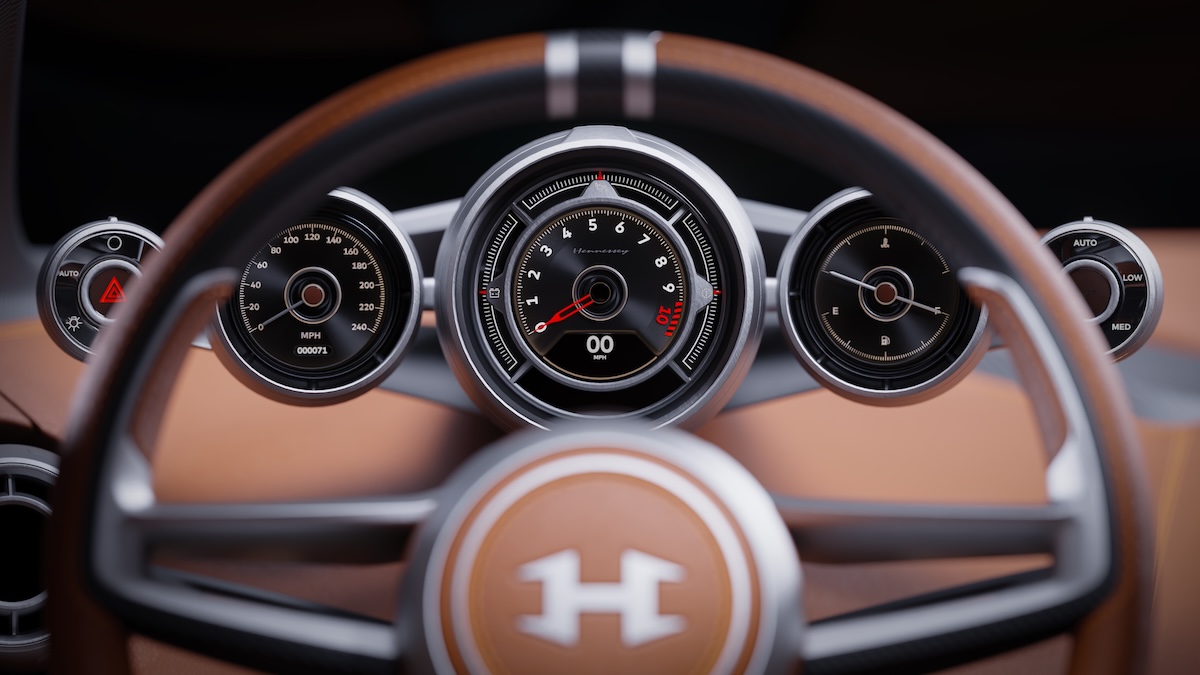
The cabin follows the same logic to its endpoint: no infotainment screen, no digital displays, no steering-wheel buttons. Navigation and phone connectivity run through the driver’s own device, held in a bespoke holster, rather than a built-in display. Founder and CEO John Hennessey framed the car as a departure from the company’s own trajectory, saying it “represents the beginning of a new book.”

The Aerospace Details Behind the Hennessey Blackbird’s Design
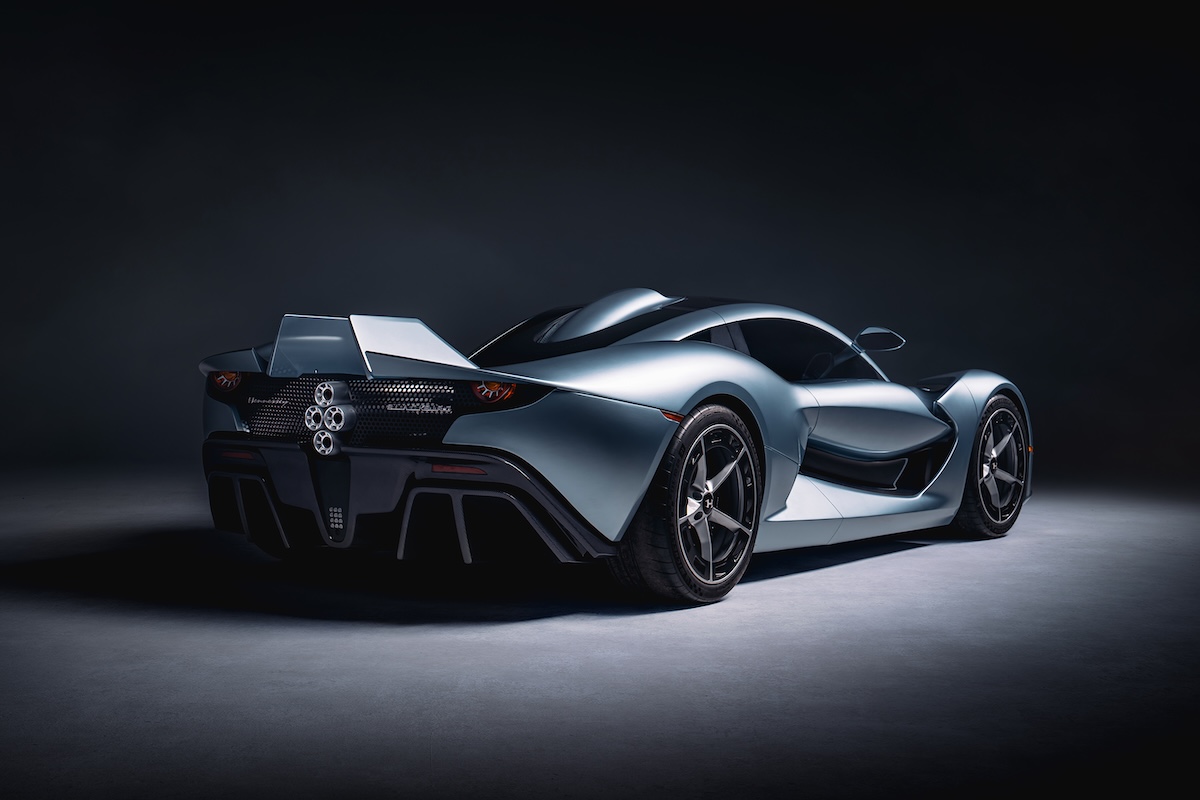
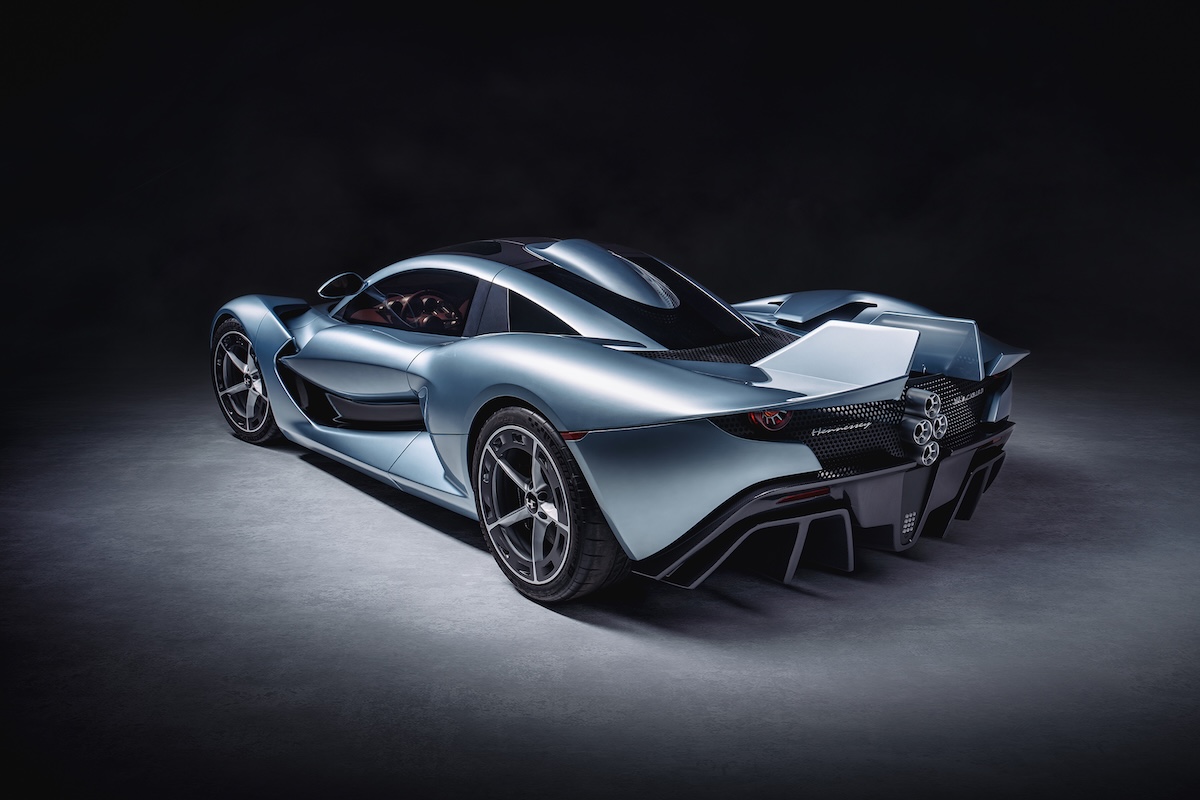
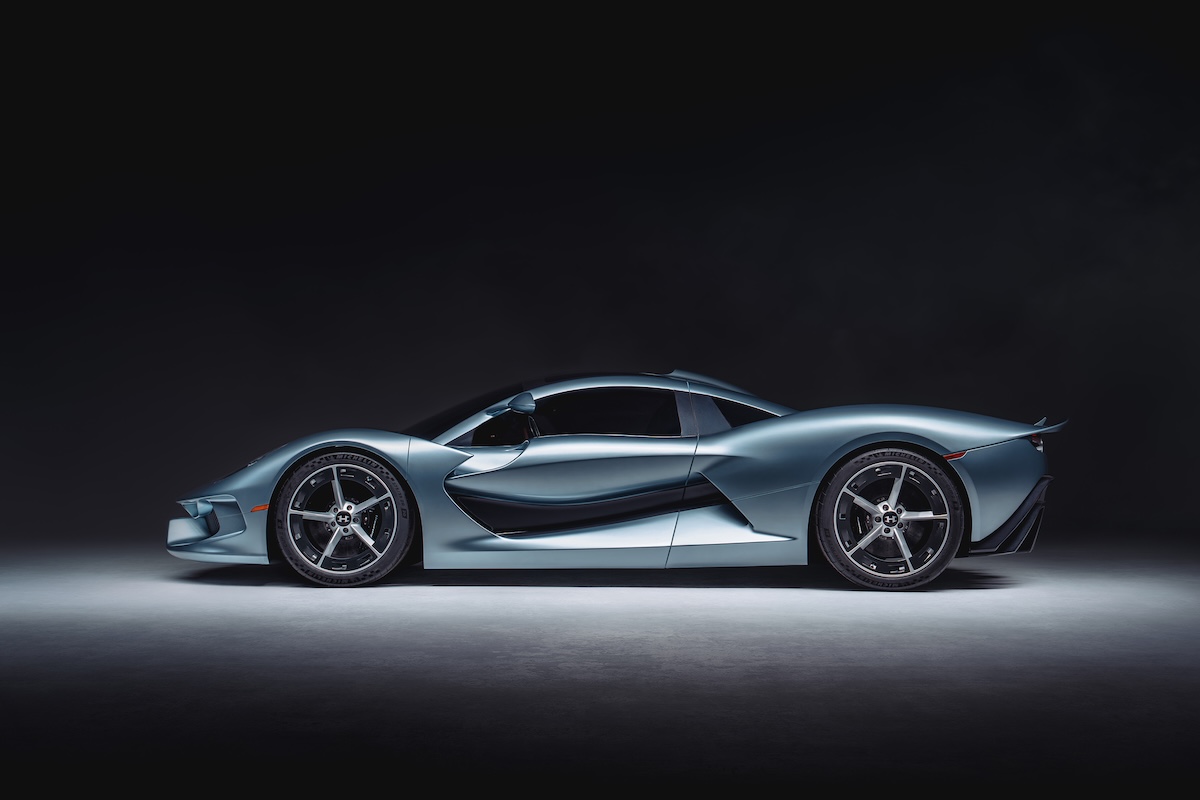
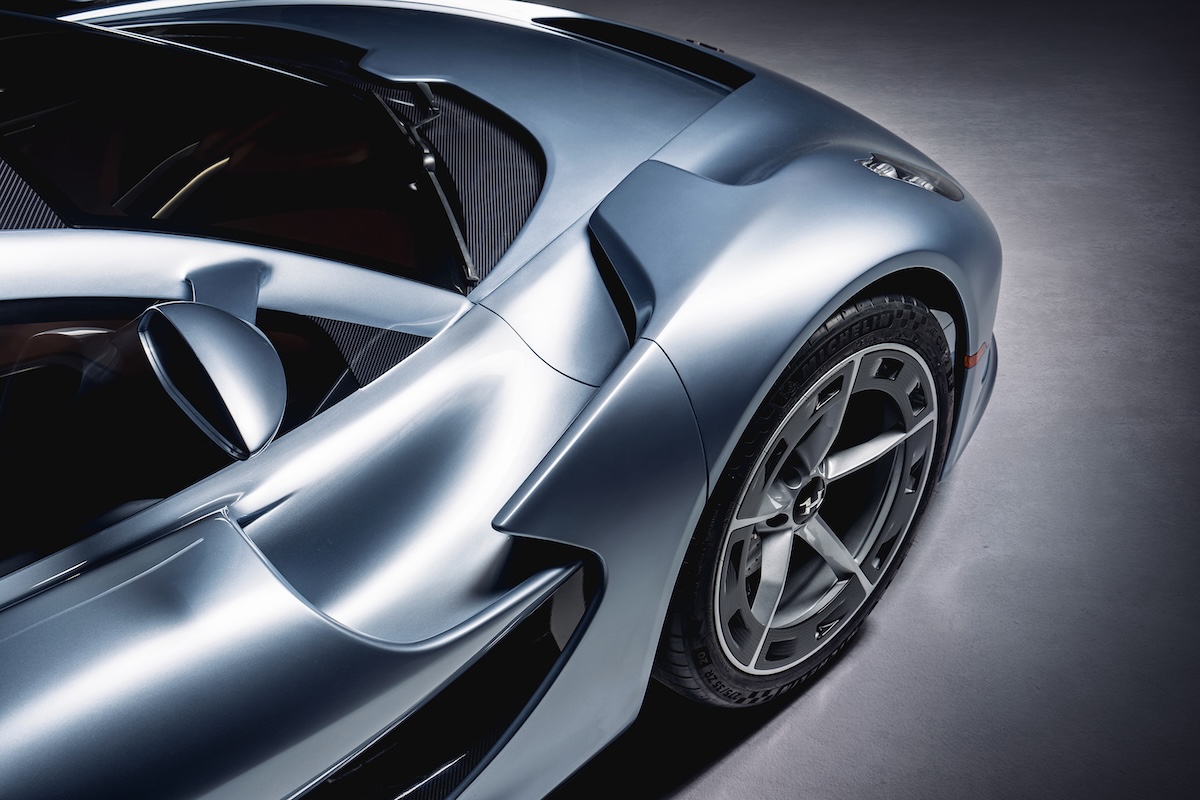
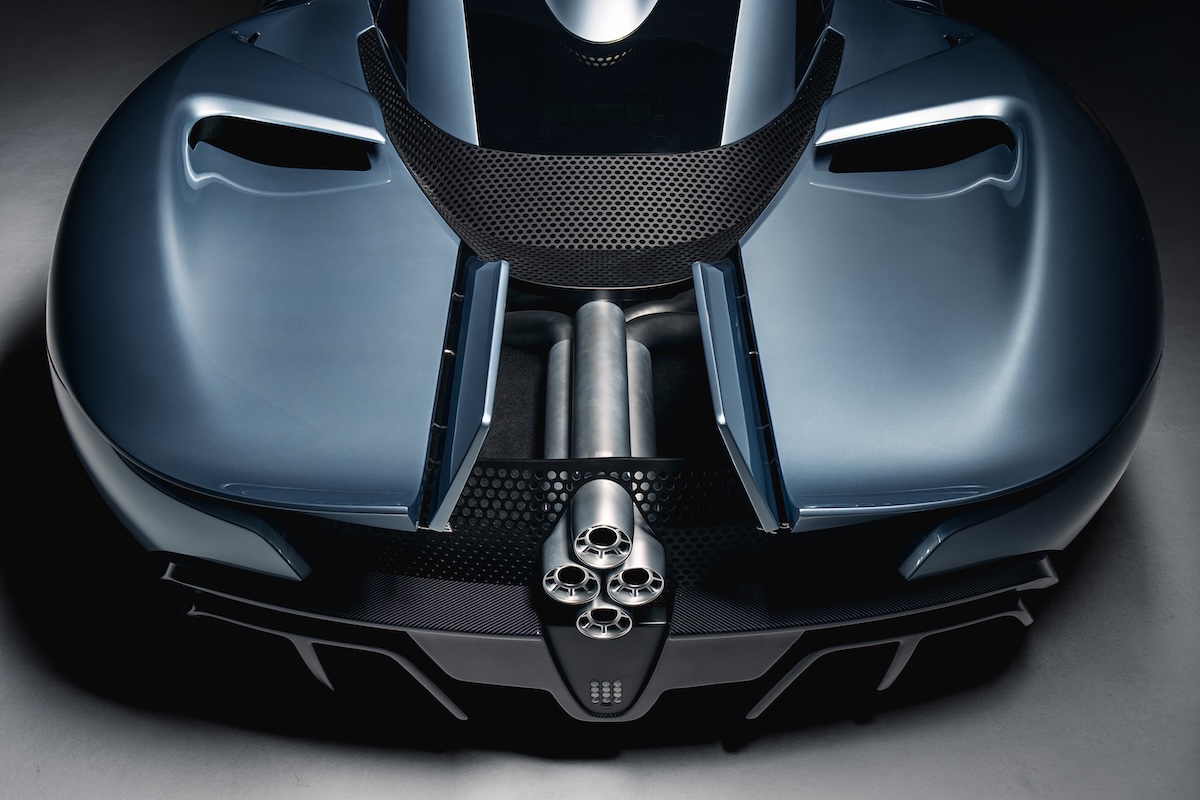
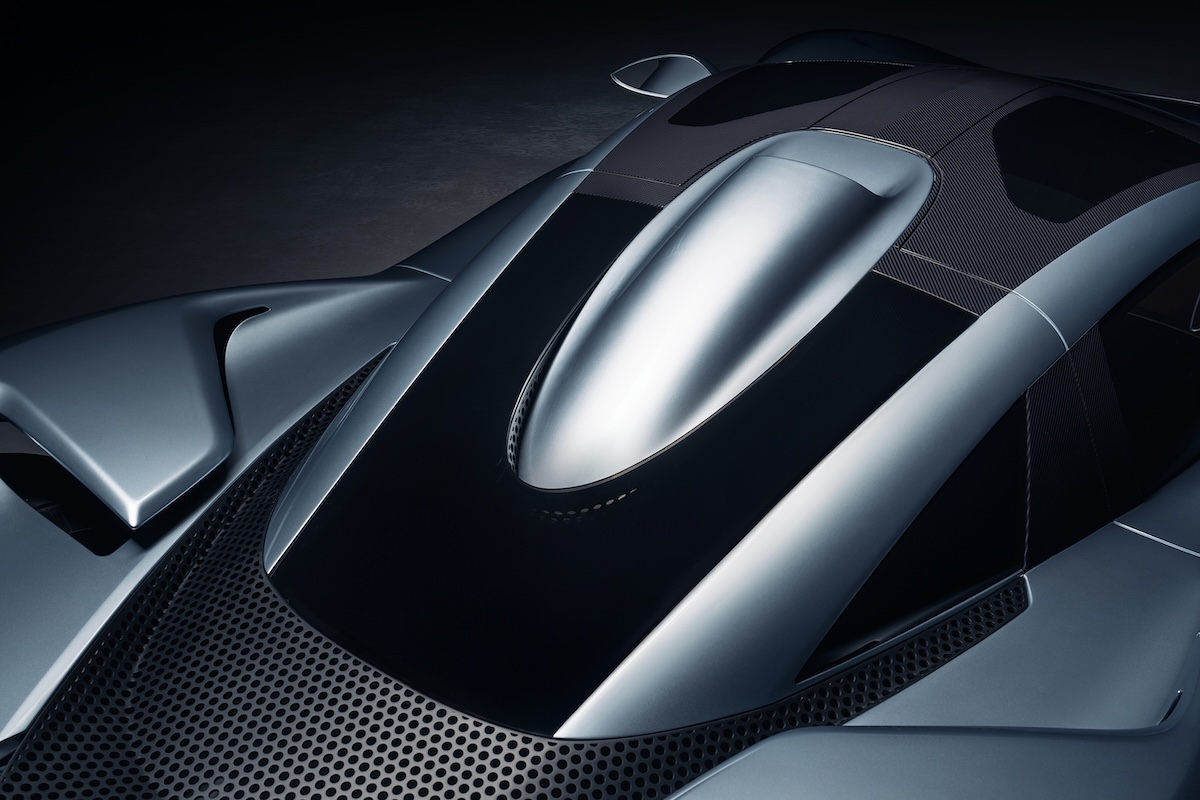
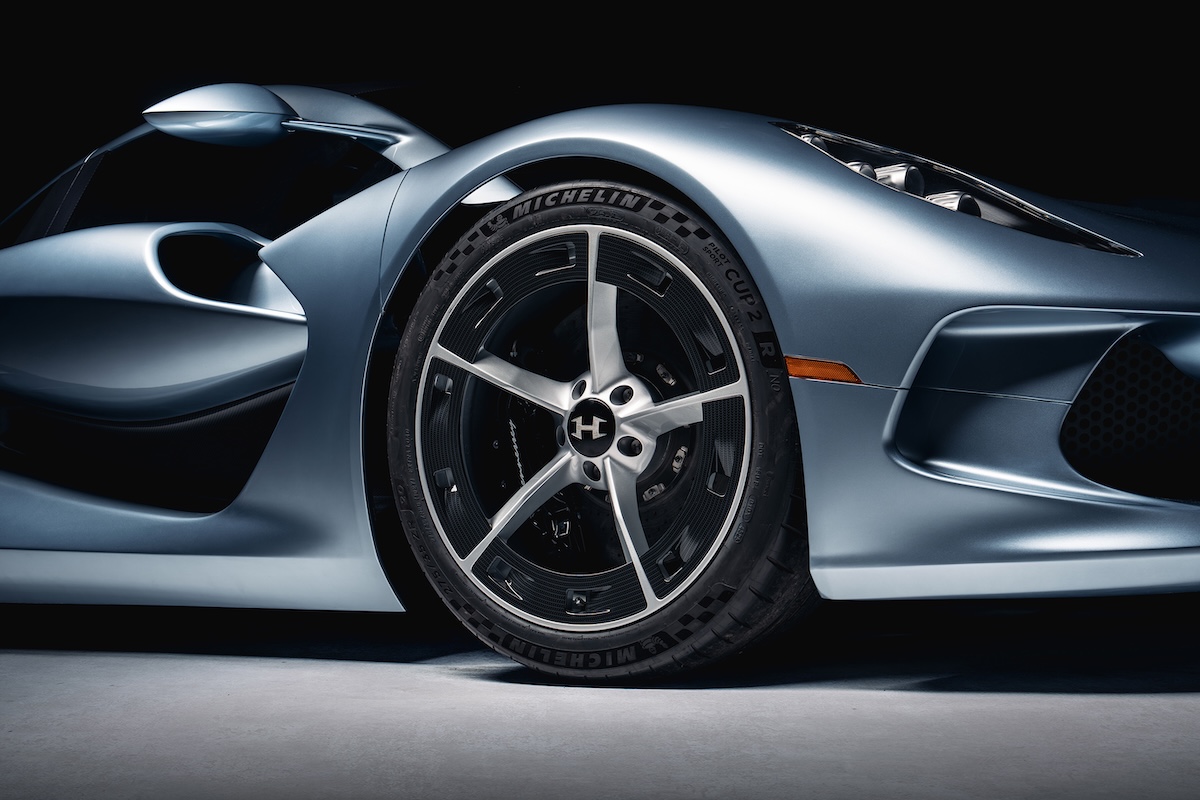
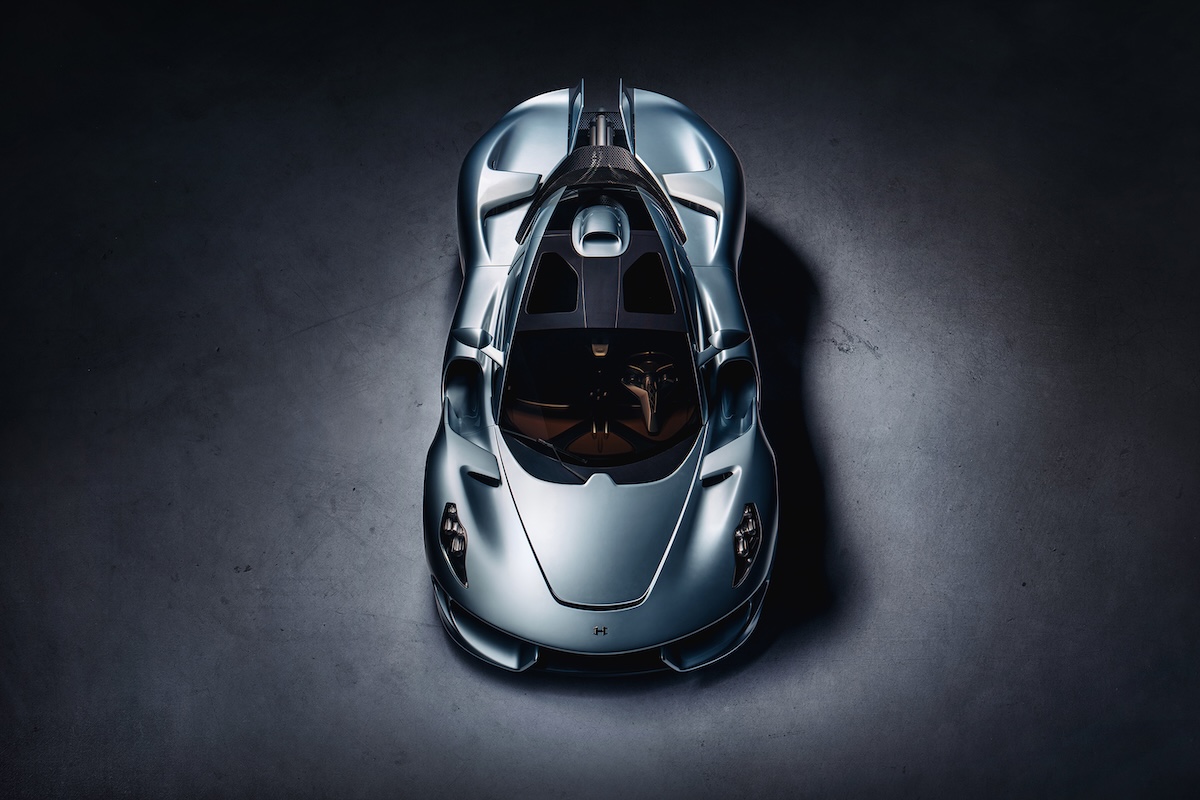
The Lockheed SR-71 reference goes well past the name. The Hennessey Blackbird’s active vertical stabilizers deploy automatically at 71 mph and sit at ±71 degrees — a direct nod to the aircraft’s own designation — while the body-side chine line echoes the SR-71’s tightly pinched surfacing. The diamond-shaped quad exhaust draws from a different aircraft entirely: the Bell X-1, the plane Chuck Yeager flew past the sound barrier in 1947. Hennessey Director of Design Nathan Malinick put the brief plainly: “Beauty is not a byproduct, it must be intentional.”
Those details work because they’re specific rather than decorative — a stabilizer angle tied to a real aircraft designation is a different kind of design reference than a badge or a paint name, and it’s the sort of detail that either holds up under scrutiny or reads as gimmick once the car is in front of people at The Quail.
Where the Hennessey Blackbird Sits in Hennessey’s Manual Hypercar Trilogy
Hennessey is framing Venom GT, the manual Venom F5-M, and the Blackbird as a trilogy — record-breaker, extreme evolution, and now a touring-focused car built around the drive rather than the number. That’s a notable pivot from a company whose Venom F5-M was built to be the world’s most powerful manual hypercar, and whose earlier Venom F5 LF one-off was still fundamentally a speed-record machine with a manual gearbox bolted on. Blackbird inverts that order: the manual and the analog cabin are the point, and the 2.5-second 0-60 time is what the engineering happens to allow rather than what it’s chasing.
With Venom F5 production expected to wind down by 2028, Blackbird becomes Hennessey’s next cornerstone program rather than a side project — customer production is targeted for 2029-2030, and more than two-thirds of the run has already been allocated before the car has even had its public debut.
What the Hennessey Blackbird Signals for the Category
The rest of the hypercar segment has largely moved the opposite direction — toward hybrid assistance, digital interfaces, and the kind of layered software that recent entries like the Bugatti FKP Hommage and McLaren’s MCL-HY-derived road car have leaned into. Whether the Hennessey Blackbird proves that a $2.5 million, screen-free manual still has a real buyer base, or turns out to be a nostalgic outlier in a market that’s already decided otherwise, won’t be clear until deliveries start in 2029. Either way, it’s the clearest statement yet of what Hennessey thinks a hypercar owes its driver once the horsepower arms race stops being the whole story.
About The Author

You may also like
-
The Stark VARG SM Sköll Is a 500-Unit Study in Blacked-Out Restraint
-
Ducati’s New Cycling Range Brings Motorcycle DNA to Road, Gravel, and E-MTB Bikes
-
The AMB 002 Roadster Is Aston Martin’s First Motorcycle You Can Actually Ride to Work
-
FuelFest Returns to New Jersey Motorsports Park With Cody Walker and Tyrese Gibson
-
The Radnor Hunt Concours d’Elegance Brings Bond, James Bond, to Pennsylvania